
What Happens If You Break One Pane of a Double-Pane Window?
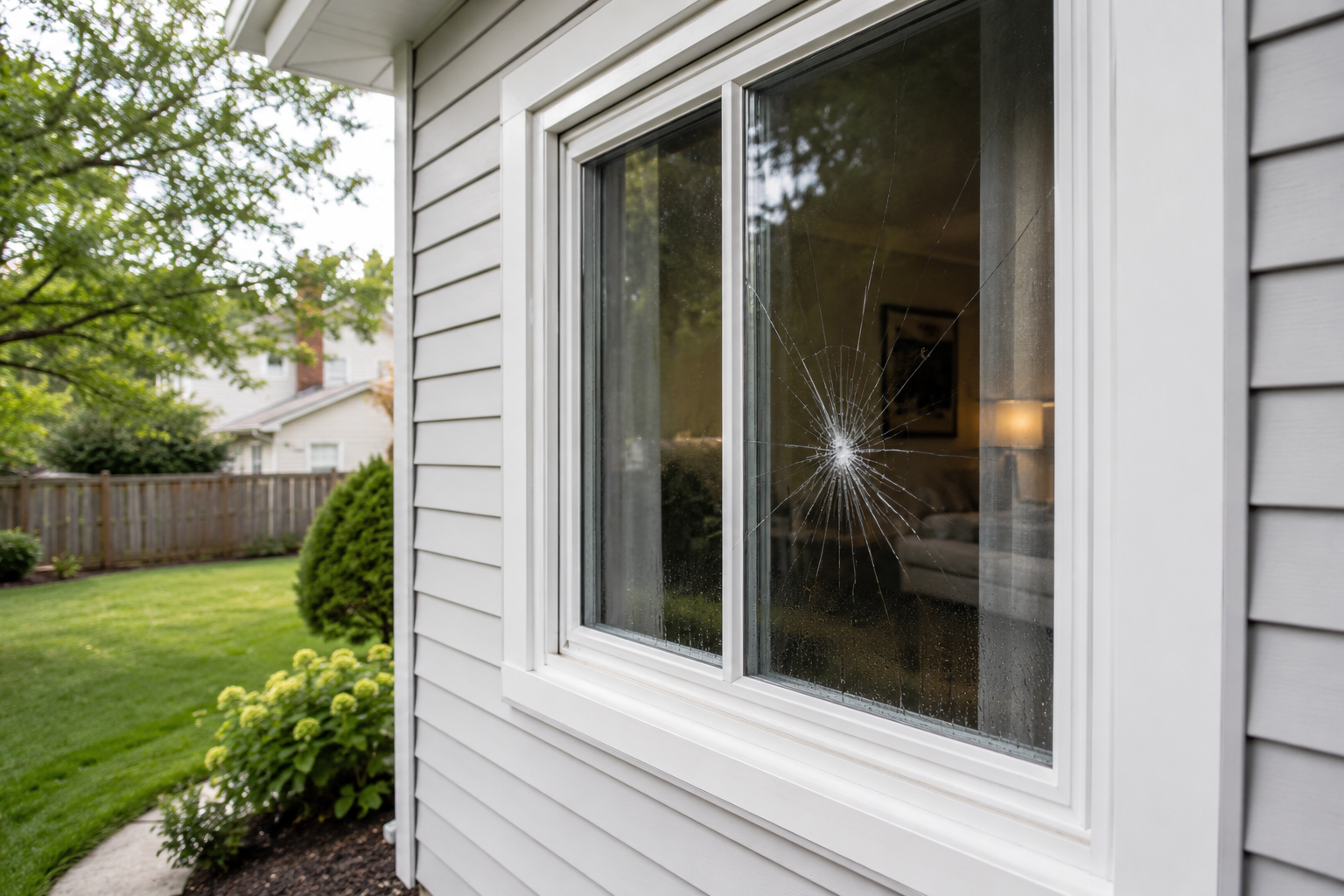
Double-pane windows are standard in modern homes, prized for their ability to keep out drafts, reduce noise, and lower energy bills. But accidents happen—a stray baseball, an errant lawnmower rock, or a sudden temperature shift can leave you with a cracked window.
Interestingly, it is quite common to break just one pane of a double-pane window while the other remains perfectly intact. If you find yourself in this situation, you might be wondering: Is it a big deal? Can I just ignore it? Can I replace just the broken piece of glass?
Here is exactly what happens when one pane breaks and what you need to do about it.
1. The Insulating Seal is Broken
Double-pane windows (technically known as Insulated Glass Units, or IGUs) aren't just two pieces of glass sitting next to each other. They are tightly sealed at the factory. The space between the two panes is usually filled with an inert, heavy gas—like argon or krypton—which acts as an invisible blanket of insulation.
The very second one pane cracks, that factory seal is broken. The heavy insulating gas instantly leaks out into the atmosphere, and standard, uninsulated air rushes in to take its place.
2. Your Energy Efficiency Drops
Because the insulating gas is gone, your double-pane window immediately becomes a single-pane window in terms of thermal efficiency.
In the winter: Heat from your home will escape through the glass much faster.
In the summer: The sun's heat will easily penetrate the glass, forcing your air conditioning to work harder.
While a single broken pane won't completely ruin your home's temperature overnight, leaving it broken long-term will lead to drafty rooms and higher utility bills.
3. Condensation and Fogging Will Appear
This is the most visible side effect, aside from the crack itself. When standard room or outdoor air enters the space between the glass panes, it brings moisture with it.
Because the window is no longer sealed, temperature changes between the inside and outside of your home will cause that moisture to condense. You will soon notice a milky, foggy film or visible water droplets forming inside the window. Because this moisture is trapped between the glass panes, you cannot simply wipe it away with a rag and glass cleaner.
4. Safety and Security Risks
Even if the crack is on the interior pane, broken glass is inherently dangerous. Temperature fluctuations or high winds can cause a small crack to suddenly spiderweb or shatter completely, leaving sharp shards on your floor. Furthermore, a window with compromised glass is structurally weaker, making it an easier target for potential intruders.
Can You Replace Just the Broken Pane?
The short answer is: No. Many homeowners assume a glass repair technician can simply remove the shattered piece of glass, cut a new one, and glue it in. Unfortunately, modern windows don't work this way.
Because the two panes of glass, the spacer between them, and the gas inside are manufactured as a single sealed unit (the IGU), you cannot separate them without destroying the window's insulating properties.
The Solution: Replacing the IGU
The good news is that you usually do not need to replace the entire window frame. As long as your window frame (the vinyl, wood, or aluminum structure holding the glass) is undamaged, a professional glass repair company can simply measure the glass, order a newly sealed IGU from the factory, and swap it out.
Steps for Replacement:
Secure the Area: Tape over the cracked glass with heavy-duty clear packing tape to prevent it from shattering further.
Call a Glass Professional: Look for a local glazier or window repair specialist.
Get an Estimate: They will measure the exact dimensions and thickness of your existing IGU.
Installation: The technician will remove the window stops, pop out the old broken IGU, and install the new, factory-sealed unit into your existing frame.
The Bottom Line
Breaking one pane of a double-pane window might look like a cosmetic issue, but it structurally compromises the window's ability to insulate your home. While you cannot simply glue a single new piece of glass into place, replacing the Insulated Glass Unit (IGU) is a straightforward and highly routine repair for glass professionals. Don't let the draft and the fog linger—getting it fixed promptly will restore your home's security, clarity, and energy efficiency.